Wednesday, August 31, 2016

5 Strategies to Entice Consumers to Binge-Watch Your Product Videos

Continue watching.


These two words are infamous in the world of video streaming. When consumers are hooked, they want more to watch.


“Content marketers should consider the binging trend a sort of case study. All of the elements that make us binge are lessons,” says Kari Matthews, a content writer for technology companies.


“We can do what these [television] shows do, in our own way, in our own industries, to make the most of our content and build our brands.”


Work with your team to engage customers with binge-worthy product videos. Get them excited about your brand and ecommerce services.


Try these five strategies below to entice your consumers.


1. Cater to Diverse Audiences


Normally, experts suggest creating content to serve a select group of people. But when it comes to product videos, you may want to take a different approach.


You want your content to be shareable. So, it must serve several different audiences. And that includes people who will never purchase your product.


“Remember that not everybody who buys, buys today, not everybody who consumes content shares it, and not everybody who shares content buys,” states Scott Allan, chief marketing officer at AddThis.


“Instead of focusing on capturing leads, create memorable content that customers will draw on when they or their friends are ready to make a purchase.”


So, produce content that people can share with their family and friends. Focus on moments that everyone can relate to, like laughing with friends, hosting a summer barbeque, or attending a college football game.


Below is the noteworthy Dollar Shave Club product video. Not everyone who shared this content bought the shavers, but it did go viral and reached their target audience.


If your company wants avoid vulgar language, think of your product video like a PG-rated film. For instance, most Disney movies are meant for kids to enjoy, but they have enough common themes to engage the parent.


Don't be afraid to serve more people with your videos. The goal is to spread the word.


2. Develop A Backstory


For product videos to gain your audience's attention, the content must discuss more than the product. Yes, content must go beyond talking about your company.


In other words: Tell a story that emotionally attaches people. It's all about showing your audience a new perspective. And giving them a different insight that humanizes your brand.


Studies show that “Americans alone consume over 100,000 digital words every single day, but 92% say they want brands to tell stories amongst all those words.”


The same holds true in the world of video. A written product description isn't good enough. And a video regurgitating similar information is just awful.


According to For Dummies, a “backstory refers to everything that occurred in your story's past. A character's backstory may include family background, job history, psychological condition, and any memories you create for that person from childhood on.”


Instead, bring your videos to life with characters and a plot. Give the actors names and set up an environment where the product is being used, not displayed.


That's what Amazon did when they introduced its Echo. Rather than giving consumers a run down of the product features, the eCommerce giant showcased the product's value in a simulated setting.


Get creative. Show, don't just tell consumers about your products.


3. Create Episodic Content


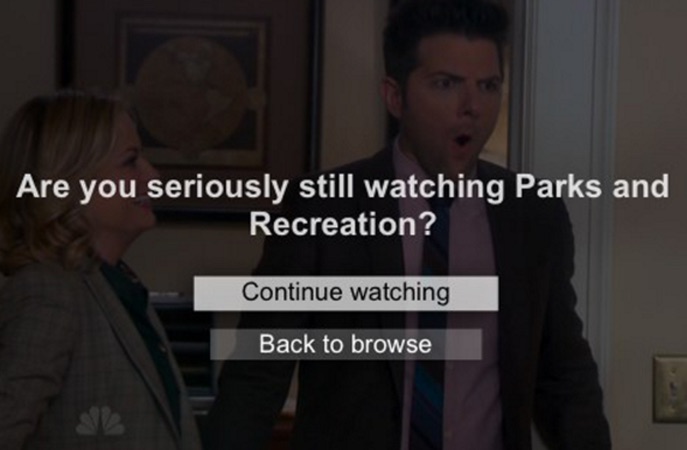
According to Netflix, the network's 83 million members watch more than 125 million hours of TV shows and movies every day. That's a lot of time in front of a screen.


But what keeps viewers coming back for more?


One reason is access to uninterrupted content. Consumers don't need to worry about commercials. Advertisements don't get in the way of their favorite shows. Therefore, they can focus on viewing what they love the most.


Another reason is the addicting show plots. A great television show contains episodes that leave the audience wanting more. People constantly want to know what's going to happen next.


Will the main character finally locate the killer? Or will the antagonist prevail and destroy his enemies?

are-you-still-watching-parks-and-rec
Image Source


Episodic content has people on the edge of their seats. And that's how your team should set up product videos.


Shoot multiple videos with cliffhangers. Get consumers intrigued about your brand culture and latest product benefits.


“Episodic content enhances the credibility of your brand as people become more and more familiar with you and what you are about. This builds trust and value with your target audience,” says Kerri Ponder, a writer at Crowd Content.


One product video is fine. But a bunch can get customers hooked on your ecommerce brand.


4. Notify Customers of Updates


Your customers are busy. They have to manage both their work and home schedules.


So, sometimes certain things get forgotten. And that's perfectly fine.


That's where are your team steps in. Remind your customers of your new product videos.


There's an old marketing adage: The Rule of Seven. It says that a “prospect needs to see or hear your marketing message at least seven times before they take action and buy from you.”


Create a special website pop-up telling them about new videos. Keep customers informed by sending notification emails leading up to the launch.


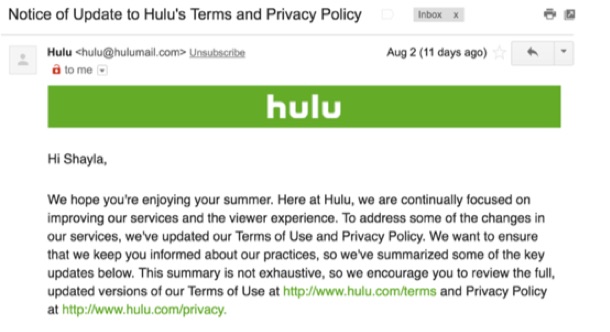
Your business already sends updates about new terms and conditions. Mimic the technique for product videos.

hulu-terms-and-privacy-emails


“Getting people excited about content that is perhaps not yet fully done whets their appetite and keeps them talking about you and your brand, days ahead of when your campaign or content actually is released,” writes Shanna Cook, senior social media manager at Nokia.


Like any marketing tactic, don't over do it. Reminders can become nuisances if they are sent every single day. Take a look at your internal data and set times best suited for your target audience.


Ask customers to sign up for your email list for product video announcements. There's power in notifications.


5. Offer an Instant Reward


Everyone enjoys special gifts for their efforts. Reward customers for taking the time to watch or share your video.


Customers want to be delighted. They desire instant rewards that help them today, not tomorrow. So, stay away from mail-in rebates or points that can't be redeemed today.


For example, at the end of a product video, offer a 10% promo code. And think beyond discounts. Give away exclusive access to a webinar or a free eBook.


Christian Karasiewicz, a social media marketing professional, suggests the following:


“Develop a video to showcase your expertise or further educate your viewers, then include a YouTube card that leads your audience to related material. This can be a transcription, checklist, infographic, SlideShare or downloadable PDF…”


YouTube cards are notifications that appear in your video. It's a small rectangular box at the top right corner. It gives your viewers a preview of the message. Check out the video below on how to add cards to YouTube videos.


Analyze which rewards consumers like the most. Then, start offering instant rewards for watching your product videos.


Binge-Worthy Content


On-demand video is attracting consumers to brands. The best ones hold the audience's attention and keep them engaged.


Aim to create product videos for a diverse audience. Give your videos a backstory. And notify customers of new releases.


Produce captivating product videos. Let consumers continue watching.


About the Author: Shayla Price lives at the intersection of digital marketing, technology and social responsibility. Connect with her on Twitter @shaylaprice.

Why it's time to re-evaluate your AdWords account structure

Many changes and new features have rolled out recently in AdWords, and columnist Frederick Vallaeys believes this is the perfect opportunity to review your account structure.

The post Why it's time to re-evaluate your AdWords account structure appeared first on Search Engine Land.


Please visit Search Engine Land for the full article.


SearchCap: Google real time carousel, In Apps search & AdWords sitelinks

Below is what happened in search today, as reported on Search Engine Land and from other places across the web.

The post SearchCap: Google real time carousel, In Apps search & AdWords sitelinks appeared first on Search Engine Land.


Please visit Search Engine Land for the full article.


Tuesday, August 30, 2016

Google launches “In Apps,” a way to find content within apps on Android phones

Somewhat similar to Apple's Spotlight, the new feature allows you to search your Android phone for content, as opposed to the web.

The post Google launches “In Apps,” a way to find content within apps on Android phones appeared first on Search Engine Land.


Please visit Search Engine Land for the full article.


7 Reasons Your Site Isn't Ready for A/B Testing

You've invested a lot of time and effort into perfecting your website and you want to get the maximum return from that investment. To achieve that goal, you've studied dozens of blogs on conversion optimization techniques. You've poured over countless CRO case studies, and you have a few tools to help you run A/B tests.


Before you start split testing to get those conversion gains, pause for a second. I don't think you're quite ready yet.


There are plenty of free tools to help you test your optimization – not to mention paid options from Optimizely to OptinMonster that'll help you explore different facets of your site's performance – so just about anyone can run A/B tests. But it's not a matter of simply understanding how to do it.


The problem is that your site just isn't there yet. A/B testing isn't for everyone, and if it's not done at the right time with the right conditions, you might end up accumulating a lot of false data that does more harm than good. Before you invest anything in testing and extensive optimization, consider these seven points:


1. The Traffic Volume Isn't There


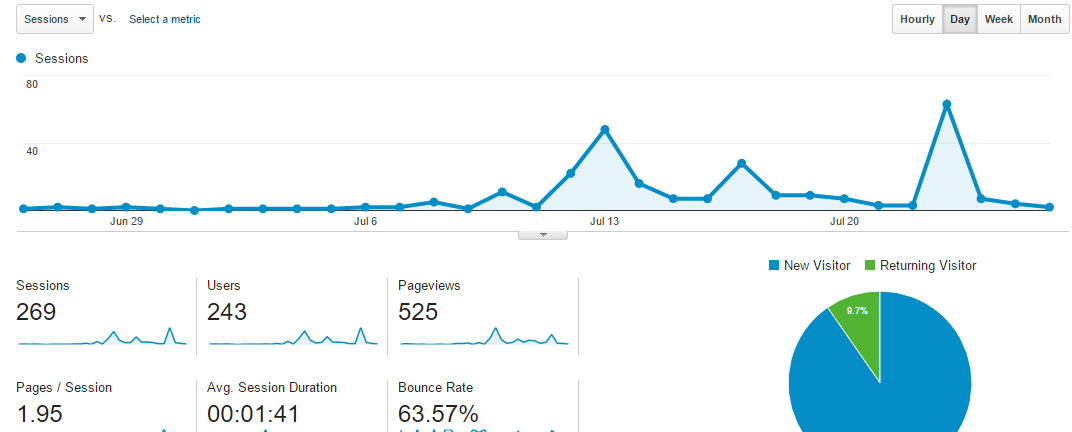
google-analytics-low-traffic-numbers
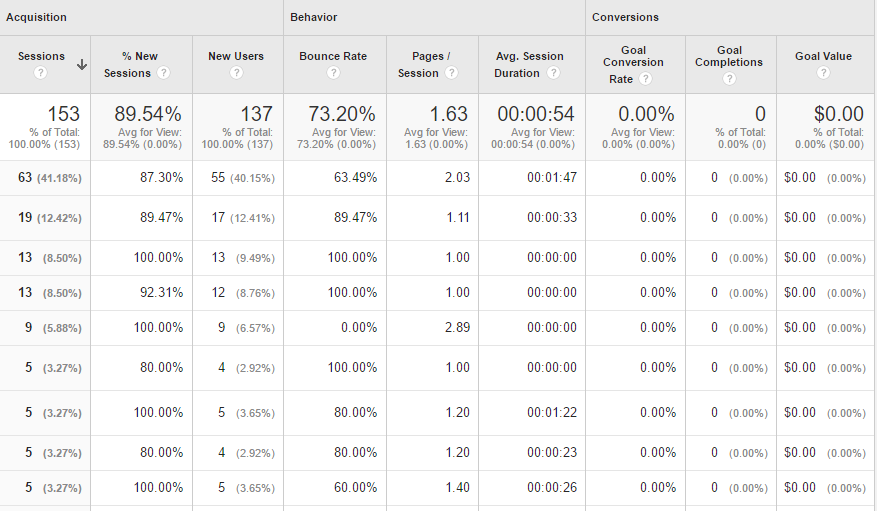
If this is what your traffic numbers look like, don't bother A/B testing


There's no doubt that A/B testing can be highly useful for businesses that want to improve their conversion rates. Having said that however, a lot of businesses shouldn't bother with A/B testing.


Small businesses that are trying to grow, startups, e-commerce businesses in their early years and other micro businesses simply don't have the traffic and transactions to accurately perform A/B tests. It takes a significant amount of traffic to provide accurate, measurable results.


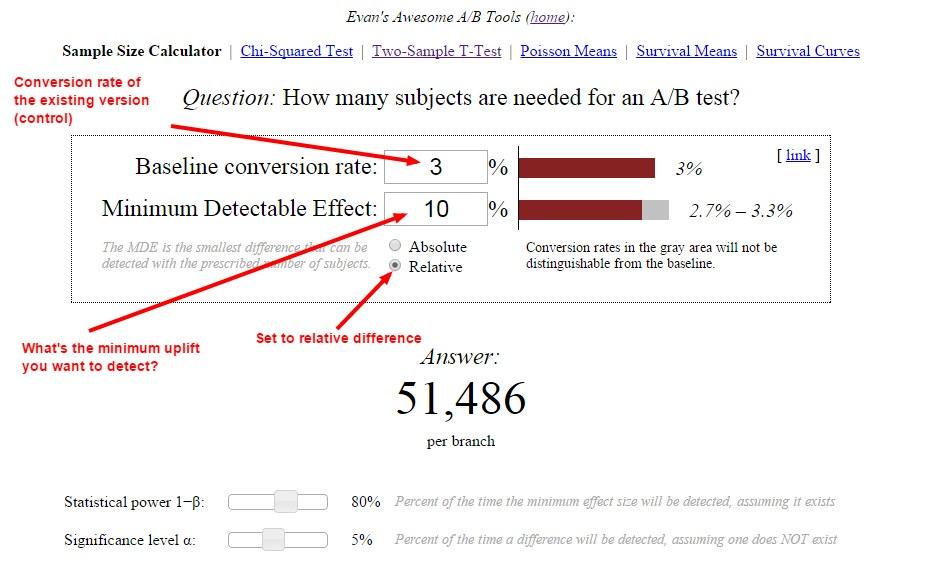
In a post from Peep Laja of ConversionXL, he provided an example using a sample size calculator from Evan Miller, where the baseline conversion rate is entered. He then entered the desired lift.


sample-size-calculator-ab-testing
Image Source


You can see from this image that in order to detect a 10% lift, the tool recommends at least 51,486 visitors per variation.


If the traffic isn't there yet, you can still optimize your site based on audience data you've gathered, but A/B tests won't be helpful for a while and they might produce false information.


2. You Don't Have Anything to Test


A lot of websites function as a general brochure for a company with minimal conversion points. If you run a B2B site or you have a freshly-created site with little more than a contact form and an opt-in, then it's too early in the game to start running concurrent A/B tests.


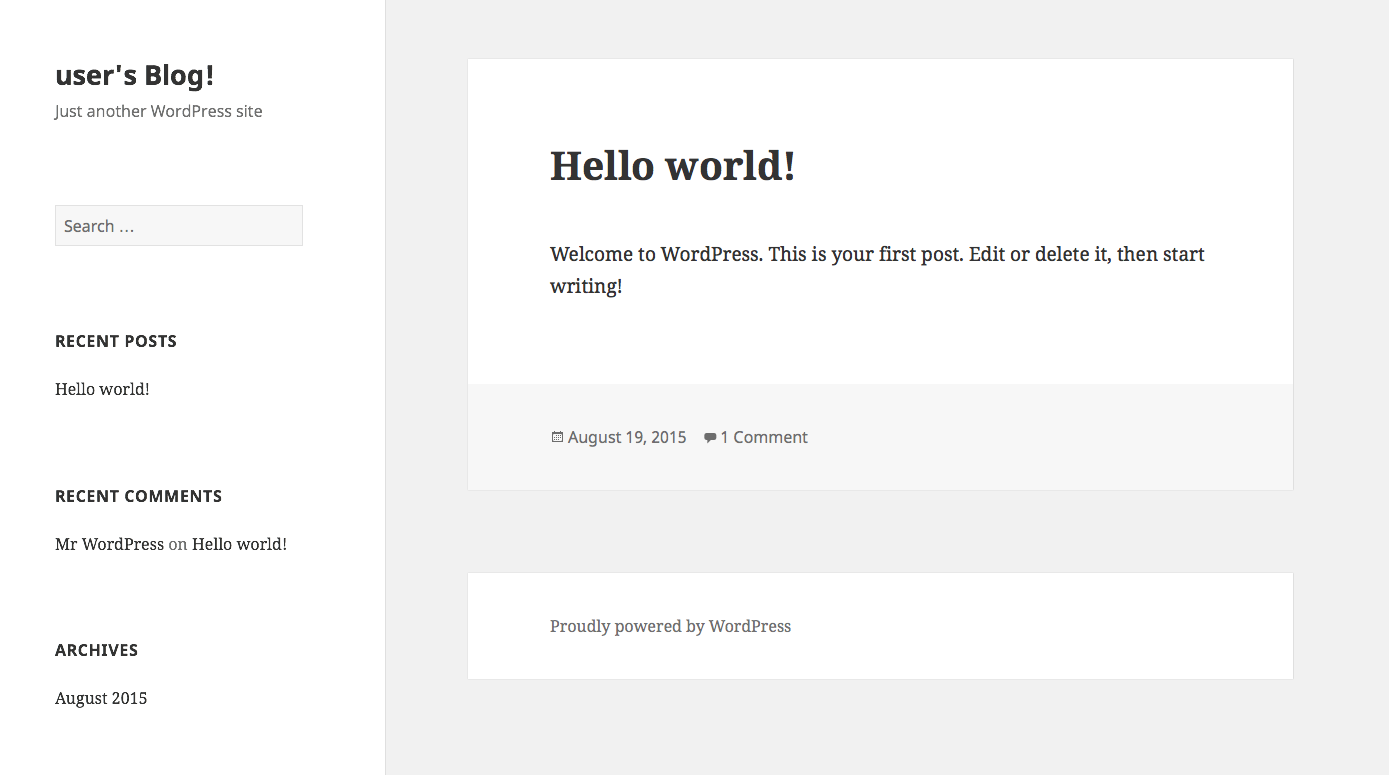
new-wordpress-site
If your site is content-lite then it's probably too soon to start running tests.


Even if the volume of traffic is adequate to run accurate tests, you may not see a significant lift from a general opt-in or estimate request form. For most businesses, the amount of effort and cost that would go into designing variations for the tests just to get a small lift around micro conversions isn't worth it.


The same applies to newer e-commerce stores.


Your time would be better spent with your analytics, where you can set up goal tracking, creating marketing campaigns, and developing your content offers and resources. The A/B testing can come later once you have more to offer and traffic has grown substantially.


3. You're Not Sure What Matters


Do you know what the choke points, leaks, and sticking points are in your funnel? I'm referring to the places where you're losing prospective customers, as well as where you're gaining the most.


Before you can run any kind of tests, you have to understand what matters, because some elements are more important than others.


For example: a marketing agency is driving visitors to their estimate request page. They spend a significant amount of time optimizing that page with A/B testing variations and micro changes. After extensive testing, they find that their efforts made very little difference with virtually no impact on their conversions.


Instead, they should have looked for mistakes in their funnel leading up to that page. Maybe the content that led the visitor to that point was where the changes needed to be made. Maybe the search intent of the customer didn't match the content they found.


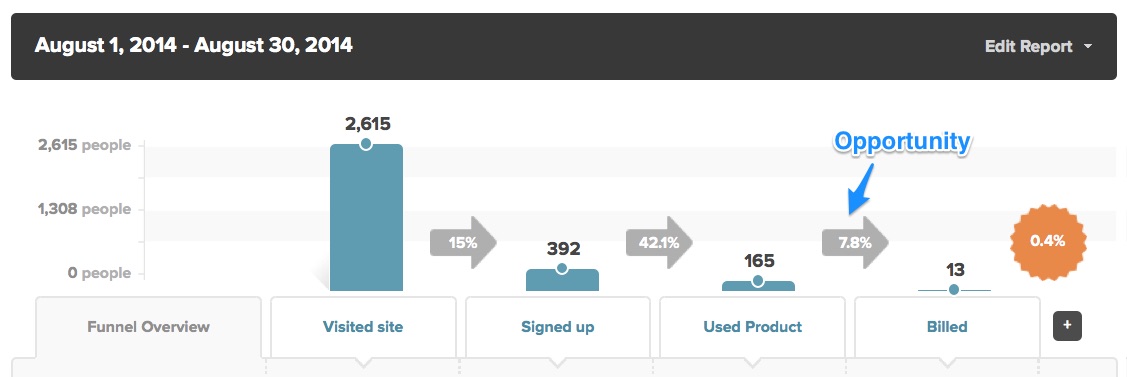
Another example: a brand selling shoes online puts a great deal of effort into optimizing and testing product pages, only to realize that the lift in conversion was insignificant. Instead, they could find ways to improve the average order value or review their funnel in Kissmetrics to find the biggest leaks where customers are dropping off and fix those problems instead.


kiss-saas-funnel-opportunity-spotted
Don't know where to test? Find where you're losing customers (and money) with the Kissmetrics Funnel Report.


If you randomly try to test what you think matters, then you'll only be wasting time.


One study from Forrester showed that 60% of firms surveyed saw improvements in their website when they used a data-driven approach to design. It's important to take the time to research what really matters to your business so you know what to optimize and where to make changes.


4. You're Copying Content


While a competitor site (or any site for that matter) might look like an attractive design that your customers will probably engage with, you can't waste time testing if you've played copycat.


Any tests you run after replicating their design and content will only be wasted. If the solution was as simple as copying what we thought worked well for our competitors (or even conversion case studies) then every e-commerce website would function exactly like Amazon.


The fact is, websites are highly contextual and they should relate to both the audience and what you're promoting. Wal-Mart and Whole Foods are in the same business of selling food products, but they cater to completely different audiences and sell vastly different products.


If I stacked up my own services against another marketing agency offering identical services, there would still be contextual differences in how we market, how we service customers, the channels we use to engage them, and how we direct traffic to our sites.


You need to make sure your website is designed specifically for you, your channels, your audience, etc. before investing in testing.


5. The Data Isn't There


The more capable you are with analytics tools like Kissmetrics or Google Analytics, the better off you'll be. But, if the extent of your knowledge consists of checking traffic quantities, referral sources, time on page and bounce rates, then you're only scraping the surface.


google-analytics-low-aquisition-data
If you don't know what data you need to monitor while A/B testing, then testing is a waste of time.


You have to approach your testing and analytics with a problem so you can find an answer in the data. That way, you can identify issues and confirm what aspects you need to change.


Learning a bit more about your analytics can tune you into:


  • How site elements or offers are performing

  • How your content is performing and whether it is keeping people engaged

  • What people are doing on your site and the routes they typically take

  • Where people are landing, as well as where they're leaving

  • Where your funnel is losing money


The data won't specifically tell you how to fix problems; it's just a starting point where you can discover actionable insights. Without that data, and without the ability to interpret it, A/B testing is pointless.


6. Your Site Has Usability Issues


When was the last time you tested your website in a browser other than the one you typically use? Have you tried going through your entire site on a mobile device?


Have you ever performed a full usability test with a variety of browsers and devices?


This is something a lot of marketers don't consider when they start A/B tests. Ignoring usability issues, tech problems, and bugs is a huge mistake, though. Even minor bugs and slow load times can dramatically impact your conversion rates.


Just a one second delay in load time can drop conversion rates by as much as 7%.


You won't get accurate results from A/B testing if segments of your audience are bailing due to usability issues. Some of your audience may never make it to your conversion point, and even if they do, their progress could be hindered by bugs or load times that will ultimately skew your results.


This misinterpretation could lead to changes and further variations of elements that are actually part of your winning, optimized design.


7. You Don't Know Your Audience


Audience research should be one of the first steps of any marketing strategy. If your goal is to drive lots of traffic to your site with content marketing and paid advertising, I would hope you've done some measure of audience research.


Without it, you're shooting blindly into the darkness and hoping to score a bullseye.


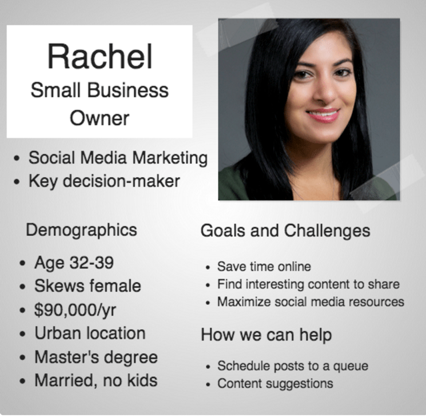
Researching and defining your target audience gives you in-depth information about who you're targeting, such as their pain points, interests, behaviors, demographics info, and more. That information helps you craft compelling copy, winning headlines, and attention-grabbing offers.


buyer-persona
A target customer profile. How well do you know your target market?


Without it, you'll resort to guessing what to change about your copy, headlines, offers, and calls-to-action. Every variation you test will be just as random as the one before it, and you likely won't see any significant change in performance.


Know who you're marketing to before you make a large investment in A/B testing.


Testing isn't for Everyone


While there's a wealth of articles and advice online telling you test everything you do and to A/B test every variation, you don't have to. For many statups and growing online businesses there just isn't enough traffic early on to create an accurate sampling with measurable results.


Focus on growing your business for now. As you grow traffic levels, learn more about your customers, and targeted traffic increases you can start testing variations to go after those micro wins.


Do you use A/B testing on your site or landing pages right now? Have you found issues with the quality of your results? Share your thoughts with me in the comments below.


About the Author: Aaron Agius is an experienced search, content and social marketer. He has worked with some of the world's largest and most recognized brands to build their online presence. See more from Aaron at Louder Online, their Blog, Facebook, Twitter, Google+ and LinkedIn.


SearchCap: Google Merchant Center update, SEO & Chrome

Below is what happened in search today, as reported on Search Engine Land and from other places across the web.

The post SearchCap: Google Merchant Center update, SEO & Chrome appeared first on Search Engine Land.


Please visit Search Engine Land for the full article.